

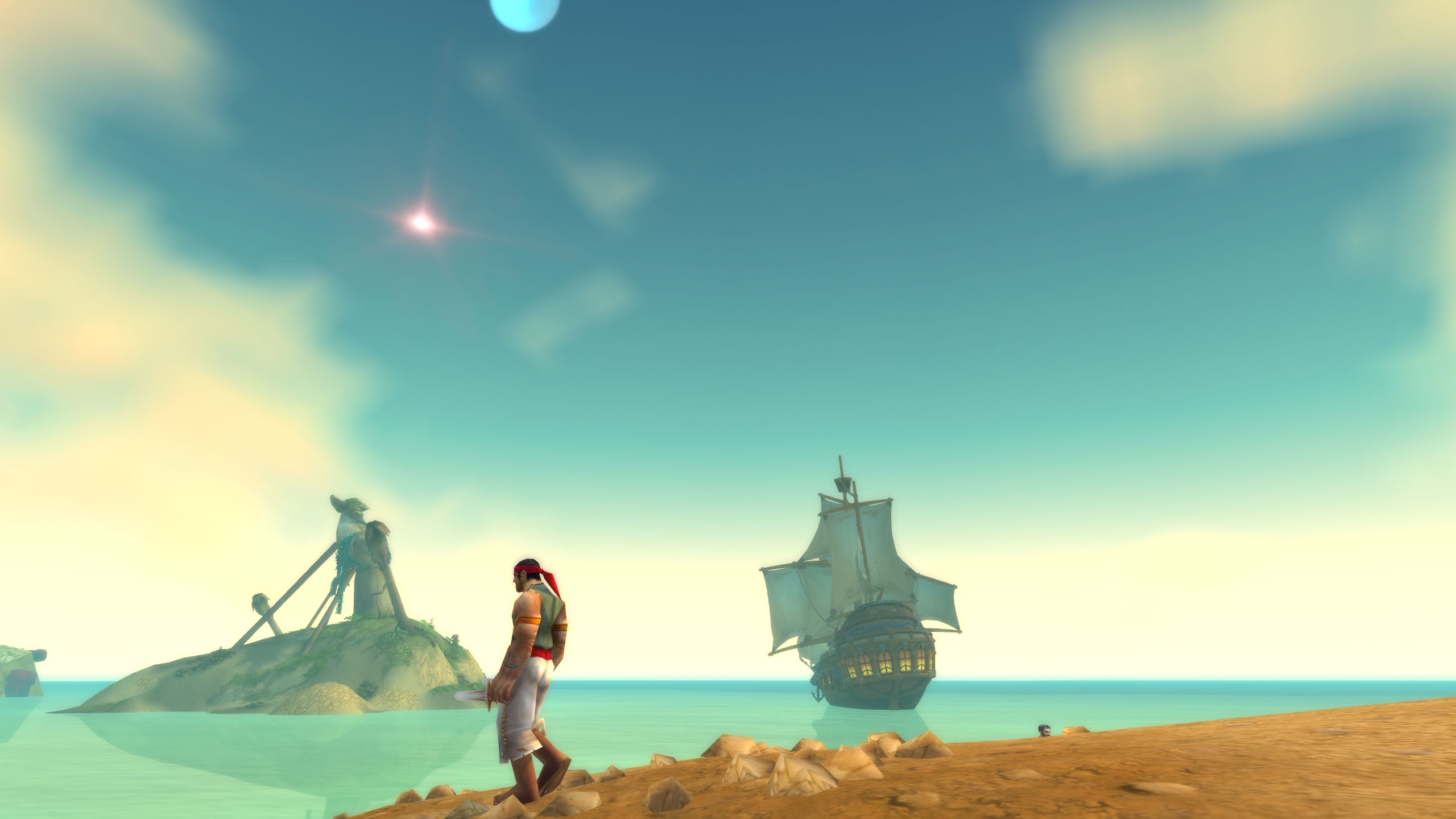
Since its launch in 2004, World of Warcraft has grown into one of the most enduring MMORPGs in gaming history. Over nearly two decades, Blizzard Entertainment has continuously refined and expanded the game, introducing new mechanics, reworking old systems, and adapting to modern gaming trends. What started as a challenging, grind-heavy experience has transformed into a more streamlined, accessible adventure while still maintaining the core elements that make WoW unique.
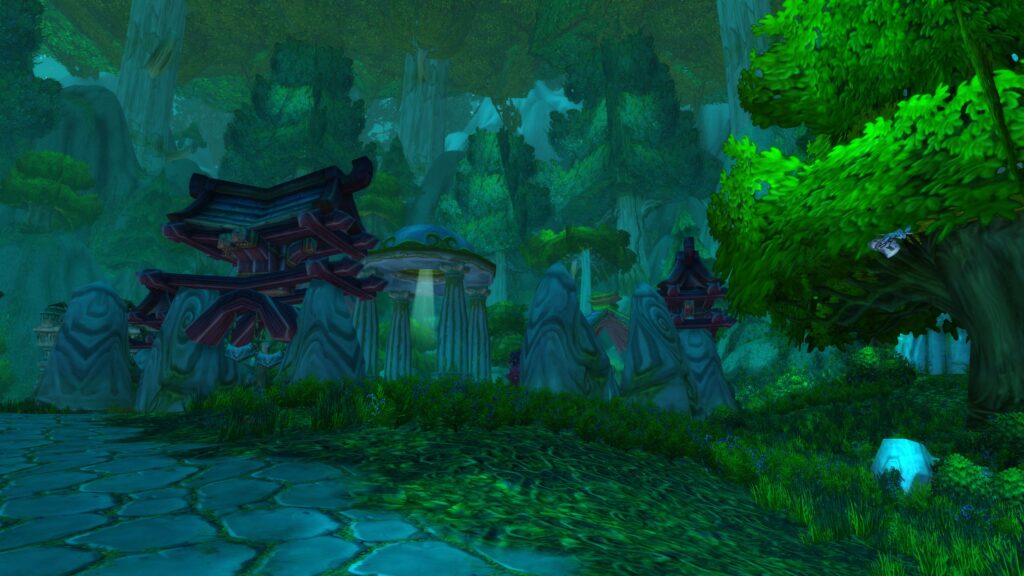
In this article, we’ll explore how World of Warcraft has changed over the years, from its early days to the latest expansions.
The Early Days: Classic WoW’s Hardcore Experience
When WoW first launched, it stood apart from other MMORPGs by offering a massive, open world filled with quests, dungeons, and raids. However, the experience was far more demanding than today’s version of the game. Leveling was a slow and often grueling process, requiring players to grind mobs, travel long distances on foot, and manage limited gold reserves for essential skills and mounts. Dungeons and raids demanded extensive coordination, with 40-player raids requiring weeks of preparation and farming just to stand a chance at success.
Despite these challenges, Classic WoW fostered a strong sense of community. Players relied on each other for resources, dungeon groups, and world PvP encounters. Guilds were essential for progression, and completing high-level content was a badge of honor. This era laid the foundation for WoW’s long-term success, establishing the deep lore and immersive gameplay that would continue to evolve in the years to come.
Expansion and Refinement: The Rise of Accessibility
With the release of its first expansion, The Burning Crusade in 2007, WoW began to refine its systems and introduce quality-of-life improvements. The expansion added flying mounts, making world traversal easier, and reduced the raid size from 40 to 25 players, making endgame content more manageable. Subsequent expansions, such as Wrath of the Lich King and Cataclysm, continued this trend by streamlining the leveling experience, introducing dungeon finder tools, and offering multiple raid difficulties to cater to both casual and hardcore players.
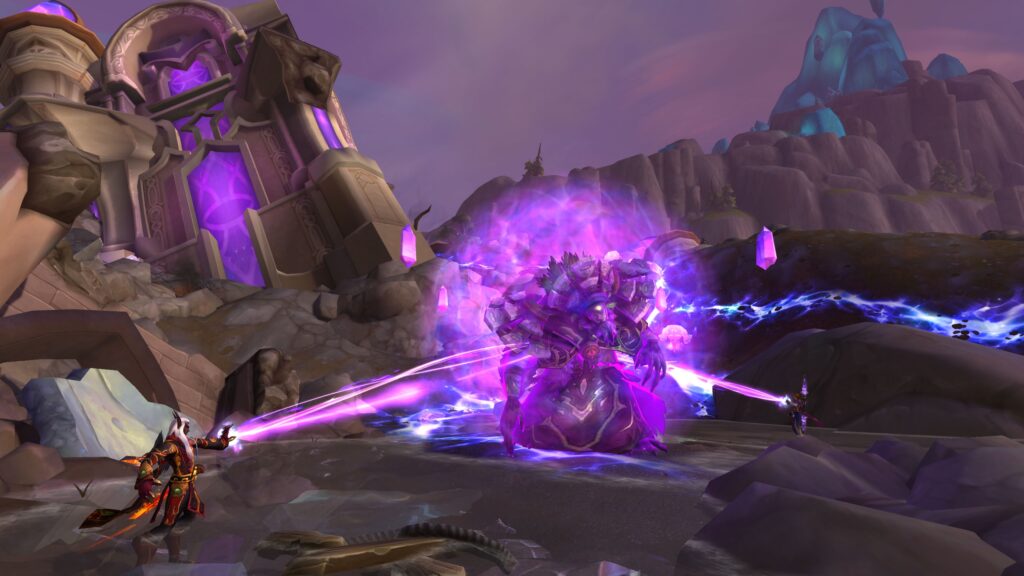
These changes made WoW more accessible without sacrificing depth. Players no longer needed to dedicate hundreds of hours just to experience high-level content, and solo players had more opportunities to progress without relying entirely on guilds. While some veteran players missed the old-school challenge, these improvements ensured that WoW remained relevant in a rapidly evolving gaming landscape.
World Overhauls and System Changes
One of the most dramatic shifts in WoW’s evolution came with the Cataclysm expansion in 2010, which reshaped Azeroth’s landscape entirely. Classic zones were redesigned with updated graphics, quests became more structured, and storylines became more cinematic. This marked a turning point in WoW’s approach to content delivery, focusing on storytelling and accessibility rather than open-ended exploration.

Later expansions such as Legion and Battle for Azeroth introduced new progression systems like artifact weapons and allied races. While these additions kept the game fresh, they also created some challenges. Certain systems, such as Azerite armor and time-gated progression, were met with mixed reception as players felt they limited customization and forced unnecessary grinding.
Modern WoW: A Balance Between Old and New
With the launch of Dragonflight, Blizzard took a step back to reassess what made WoW great in the first place. The expansion introduced new talent trees, allowing for deeper customization reminiscent of early WoW, while also keeping modern conveniences like improved quest tracking and open-world exploration. Dragonriding mechanics brought a fresh take on movement, making travel more dynamic and skill-based.
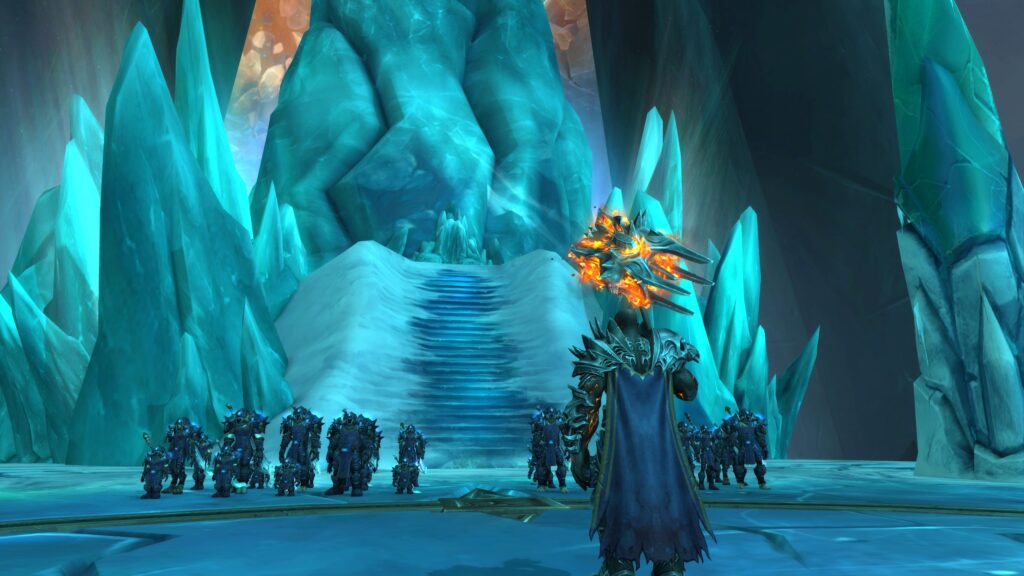
In recent years, Blizzard has also placed a greater focus on player choice. Leveling has been reworked, allowing players to choose their preferred expansion to progress through rather than following a strict path. Cross-faction play, once unthinkable in WoW’s early years, has now become a reality, allowing Horde and Alliance players to team up in dungeons and raids. These changes demonstrate Blizzard’s commitment to evolving WoW while respecting its legacy.
Conclusion: The Ever-Changing World of Warcraft
World of Warcraft’s evolution has been a journey of adaptation and innovation. From its hardcore beginnings to its modern, streamlined experience, the game has undergone countless transformations while still retaining the heart of what makes Azeroth special. Whether you’re a veteran reminiscing about the days of 40-player raids or a new player exploring Dragonflight’s fresh mechanics, WoW continues to offer something for everyone.
With future expansions on the horizon, one thing is certain—WoW will keep evolving, ensuring that Azeroth remains an adventure worth returning to for years to come.
Home