


World Quest systems, despite being designed to offer flexible, ongoing engagement, consistently suffer from core structural flaws rooted in excessive repetitiveness and a profound lack of a meaningful, long term Reward Utility Satisfaction curve. This leads to a rapid decay in player motivation and transforms necessary weekly tasks into sources of content fatigue. This analysis dissects the systemic design deficits that prevent the World Quest model from achieving sustained success as a primary form of end game content engagement.
This report identifies the systemic weaknesses compromising the long term viability of the World Quest framework.

Evaluation Criteria: Task Variety Index, Reward Utility Satisfaction, and Content Fatigue Rate
The World Quest system is evaluated based on three weighted criteria. First, Task Variety Index measures the diversity of objectives offered, prioritizing unique mechanical engagement over simple kill or gather loops. Second, Reward Utility Satisfaction quantifies the practical value of the rewards received, assessing if the rewards justify the temporal investment. Third, Content Fatigue Rate assesses the speed at which the system induces player burnout due to monotony or lack of compelling progression. High fatigue rates indicate structural failure.
The Deficit in Task Variety Index and Repetitiveness
The primary systemic failure of World Quests is the critically low Task Variety Index. The majority of available objectives are functionally identical—kill X mobs, click Y objects—repackaged across different geographical zones. This mechanical monotony ensures that the Content Fatigue Rate accelerates rapidly. Players quickly optimize the quickest path through identical tasks, reducing the engagement to a pure efficiency calculation, thus eliminating any perceived immersion or novelty after the initial few weeks of a patch cycle.
Lack of Meaningful Reward Utility Satisfaction
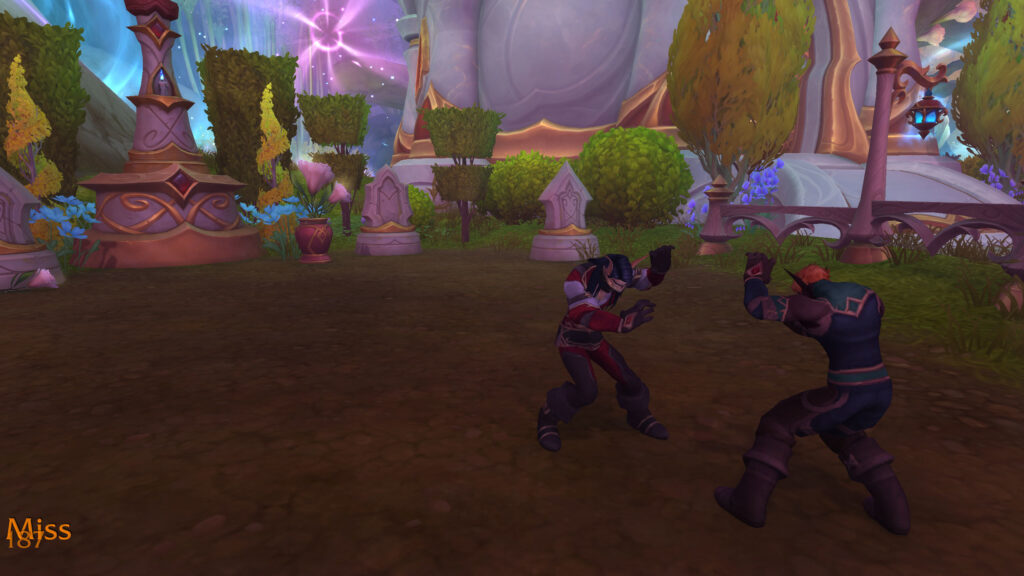
World Quest rewards often suffer from a severe deficiency in Reward Utility Satisfaction. While initial rewards may offer relevant item level upgrades, these quickly become irrelevant as higher tier gear is acquired through raiding or Mythic Plus. The majority of late game World Quests offer only marginal currency or low value commodities. This disconnect—performing a required task for a reward that provides no meaningful advancement—undermines the entire motivation structure and increases the Content Fatigue Rate.
Necessary Structural Adjustments for Long Term Viability
To improve the viability of the system, future World Quest designs must dramatically increase the Task Variety Index, introducing dynamic, phase based objectives that react to player density or environmental factors. Furthermore, the Reward Utility Satisfaction must be recalibrated to offer non gear based, permanent forms of progression, such as exclusive cosmetic rewards, persistent character power increments, or highly valuable professional resources, ensuring the tasks remain relevant throughout the entire expansion life cycle.
World Quest System Performance Deficiencies
| Metric | Observed Deficiency | Player Experience Impact | Long Term Viability |
|---|---|---|---|
| Task Variety Index | Extremely Low Functional Repetition | Accelerated Content Fatigue Rate | Poor Monotonous Engagement |
| Reward Utility Satisfaction | Marginal Item Level and Currency Output | Diminished Motivation for Completion | Low End Game Relevance |
| Content Fatigue Rate | High Rapid Onset of Boredom | Reduced Daily Login Consistency | Critical Systemic Flaw |
Conclusion: The Requirement for Dynamic Rewards

The World Quest model is constrained by an insufficient Task Variety Index and a fundamentally flawed Reward Utility Satisfaction curve. For the system to become a viable, sustained source of end game engagement, it must evolve beyond simple repetition and offer dynamic, high prestige rewards that provide meaningful, non gear based progression, thus lowering the Content Fatigue Rate and incentivizing long term investment.